
Hidden Advantages of Learn More in Youth Soccer Development
Understanding Youth Soccer: The Foundations
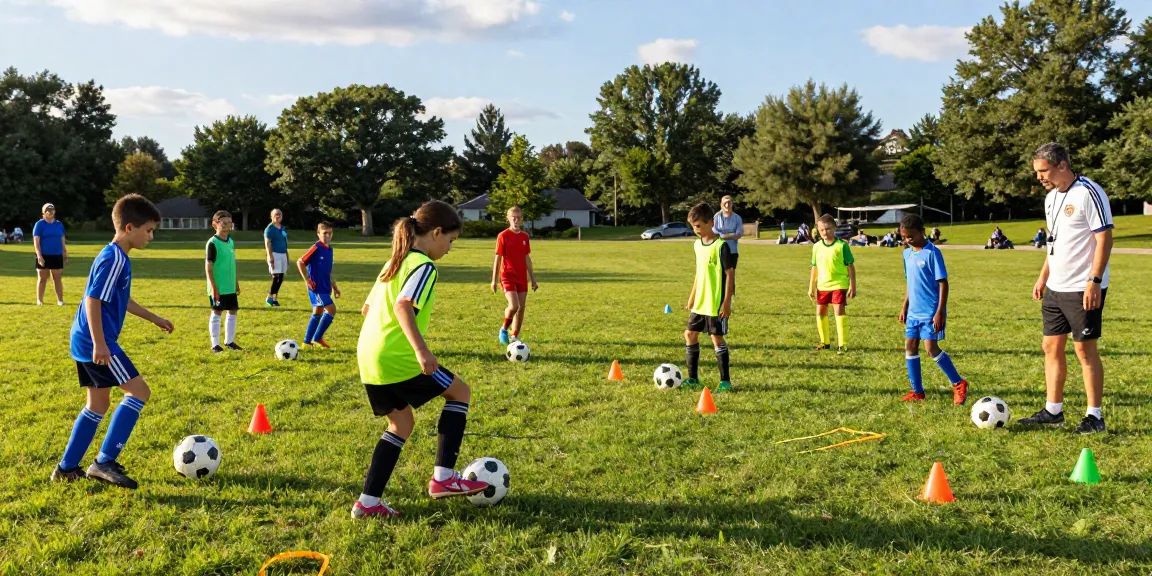
Youth soccer serves as a critical stepping stone for young athletes, blending physical activity with vital life skills. As children engage in soccer, they not only enhance their physical fitness but also partake in an environment that nurtures teamwork, resilience, and personal growth. It is essential to recognize the multi-faceted benefits that youth soccer has to offer. When exploring options, learn more about how these programs shape the future of children both on and off the field.
Why Youth Soccer Matters for Physical Development
The physical benefits of youth soccer are manifold. Playing soccer regularly helps children develop cardiovascular endurance, strength, flexibility, and coordination. Engaging in fast-paced games promotes agility and speed, reinforcing muscular development and overall fitness. Moreover, soccer serves as an excellent way for children to combat obesity, a growing concern among youth today. Regular participation aids in maintaining a healthy weight while fostering a lifelong appreciation for fitness.
Emotional Benefits of Team Sports
Beyond physical prowess, youth soccer provides significant emotional advantages. Children learn to manage their emotions through victories and defeats, cultivating resilience and adaptability. The collaborative nature of team sports fosters friendships and a sense of belonging, boosting self-esteem and confidence. These emotional skills translate well into everyday situations, providing invaluable tools for social interactions throughout life.
Key Skills Developed Through Soccer
Soccer is not just about kicking a ball; it is a comprehensive arena for skill development. Key skills acquired through the sport include:
- Teamwork: Learning to work together towards a common goal.
- Communication: Essential for coordinating plays and strategies with teammates.
- Leadership: Opportunities for youth to step up and guide peers during practice and games.
- Critical Thinking: Players must make split-second decisions, enhancing their problem-solving abilities.
Incorporating Learning Strategies in Training
Effective training programs capitalize on various learning strategies to maximize player development. Coaches are encouraged to adapt their methodologies to the learning styles of their athletes, ensuring that each child grasps the fundamental concepts of the game.
Techniques to Help Kids Learn More Effectively
One effective strategy is the use of visual aids—these can include diagrams of plays or videos of professional matches. Additionally, incorporating drills that reinforce these lessons helps cement the knowledge through practical application. Coaches can also benefit from creating small, competitive games that emphasize learning outcomes while keeping the experience enjoyable.
Utilizing Technology in Soccer Training Sessions
Technology transforms the way youth soccer is taught and practiced. Apps and software that analyze player performance offer real-time feedback, allowing players to improve their techniques. Incorporating wearables that track physical activity can aid in monitoring fitness levels and progress over time, making training sessions more efficient and targeted.
Creating a Supportive Learning Environment
Creating a supportive atmosphere in training sessions is paramount. Coaches should promote a culture of encouragement, where mistakes are viewed as growth opportunities rather than failures. Open communication between coaches, players, and parents fosters trust and emphasizes a shared commitment to improvement. This inclusive environment enhances the overall experience for players, motivating them to pursue their passion for soccer wholeheartedly.
Common Challenges in Youth Soccer
While youth soccer offers numerous benefits, it also presents specific challenges that players, coaches, and parents must navigate. Understanding these hurdles is crucial for fostering a positive sports experience.
Addressing Performance Anxiety in Young Athletes
Performance anxiety is a common issue among young athletes. The pressure to perform can be overwhelming, often stemming from internal expectations or external pressures from parents and coaches. To combat this, fostering a mindset that emphasizes effort over outcome can be beneficial. Encouragement and positive reinforcement can help young players manage anxiety and enhance their performance.
Dealing with Competition Pressure
Competition is a significant aspect of youth soccer, and while it can drive improvement, it can also be a source of stress. Coaches should focus on cultivating a philosophy that values enjoyment and personal growth rather than solely winning. Setting realistic goals and celebrating small successes can help alleviate the pressure associated with competition.
Overcoming Skill Gaps Among Players
In any youth soccer team, there will be varying skill levels. Coaches should implement tailored training to address these differences, providing additional support or advanced drills for those who need them. Encouraging peer mentoring can also foster a collaborative environment, where more skilled players help their teammates improve, building camaraderie and development.
Effective Coaching Practices for Youth Development
Coaches play a pivotal role in shaping the experience of young soccer players. By employing effective coaching practices, they can create an enriching environment that not only develops players’ skills but instills lifelong values.
Developing Communication Skills as a Coach
Effective communication is key to successful coaching. Coaches should prioritize clear instructions and constructive feedback while fostering an open dialogue with players. Establishing a safe space for players to express themselves leads to a better understanding of their needs and enhances team bonding.
Best Coaching Strategies to Teach Soccer Fundamentals
To teach soccer fundamentals effectively, coaches should employ a variety of methods, including demonstrations, small-sided games, and individual training sessions. Emphasizing the basics like passing, dribbling, and shooting through playful activities can keep the training engaging while ensuring players grasp critical concepts.
Feedback Techniques to Enhance Player Growth
Feedback is vital for youth development, and coaches need to deliver it thoughtfully. Constructive criticism should be balanced with positive reinforcement, ensuring that players feel valued and motivated to improve. Setting up one-on-one sessions can allow for personalized feedback, fostering a deeper connection between coach and player.
Looking Ahead: The Future of Youth Soccer Programs
The landscape of youth soccer is evolving, and several trends are shaping the future of these programs. Staying informed and adapting to these changes will be crucial for clubs and coaches alike.
Trends in Youth Sports Participation by 2026
As we look towards 2026, an increase in formal soccer participation is projected, driven by growing awareness of the sport’s benefits and enhanced accessibility. Clubs must adapt their offerings, providing options for varied skill levels, ensuring inclusivity for all children regardless of background or experience.
Innovative Training Tools and Resources
The integration of cutting-edge training tools will be commonplace, with increased reliance on digital platforms and analytics. Clubs will need to invest in training resources that utilize technology to provide tailored experiences for youth players, making sessions more intuitive and personalized.
The Role of Community in Soccer Development
Community involvement will remain at the forefront of youth soccer development. Programs that engage local businesses, schools, and families will foster a more extensive support network, enriching the players’ experiences both on and off the field. Initiatives that encourage volunteerism and local sponsorships can help build a sense of unity and pride around youth soccer.
What are the age requirements for joining a youth soccer club?
Age requirements vary by club, typically accommodating players from ages 4 to 18. Clubs often structure categories based on age groups to ensure age-appropriate skill development and competition.
How can parents support their child’s soccer journey?
Parents can play a pivotal role by encouraging their child’s participation, attending games, and fostering a positive environment that emphasizes enjoyment and personal development over winning.
What skills should beginners focus on in soccer?
Beginners should prioritize mastering basic skills such as dribbling, passing, shooting, and understanding the game’s rules. These foundational skills are crucial for building confidence and competence on the field.
How does playing soccer benefit a child’s social skills?
Soccer promotes teamwork, communication, and friendships among players. These social interactions help children develop interpersonal skills that benefit them in various life aspects, from school to later work environments.
What are the future trends in youth soccer programs?
Future trends will likely focus on inclusivity, technology integration, and community engagement, with programs designed to cater to diverse populations, ensuring every child has the opportunity to thrive in soccer.