
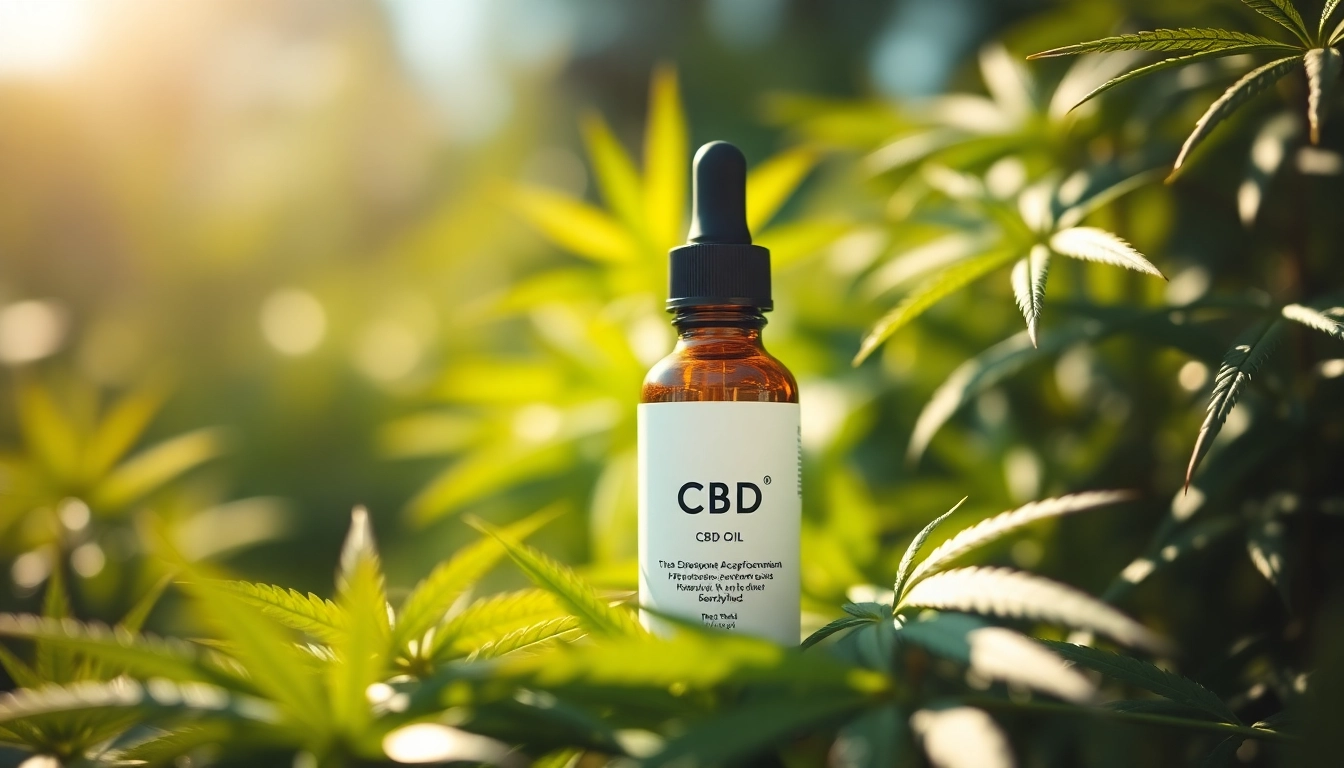
What is CBD and How Does It Work?
The Basics of CBD
Cannabidiol, commonly known as CBD, is one of over a hundred chemical compounds found in the Cannabis sativa plant. Unlike its more famous counterpart, tetrahydrocannabinol (THC), CBD does not produce psychoactive effects, meaning it does not cause the "high" typically associated with marijuana. Instead, CBD is often touted for its potential therapeutic benefits and is being embraced by various sectors, including medicine, wellness, and personal care.
CBD is primarily derived from hemp, a strain of cannabis that is low in THC and high in CBD. Over the years, the growing interest in CBD has sparked a plethora of research investigating its potential applications in health and wellness. As legalization expands across various regions, the market for CBD products has surged, leading to an increased demand for standardized information regarding its properties, usage, and benefits.
How CBD Interacts with the Body
The human body has an endocannabinoid system (ECS), a complex network that plays a critical role in regulating various physiological processes including pain sensation, mood, appetite, and immune response. The ECS consists of endocannabinoids, receptors (CB1 and CB2), and enzymes. CBD interacts with these receptors and may influence the ECS to help maintain homeostasis, or balance, in the body.
While the precise mechanisms by which CBD operates remain under investigation, studies suggest that it may modulate the activity of neurotransmitters, providing a plausible explanation for its reported effects in alleviating conditions such as anxiety, chronic pain, and inflammation. In addition, CBD is believed to influence serotonin levels in the brain, which could explain its potential efficacy as an anti-anxiety treatment.
Different Forms of CBD Available
The popularity of CBD has resulted in various product forms, each catering to different preferences and intended effects. Some of the most common forms include:
- Oils and Tinctures: These liquid extracts are typically administered sublingually (under the tongue) for fast absorption.
- Edibles: CBD-infused food items such as gummies, chocolates, and beverages offer a tasty way to consume CBD.
- Capsules and Softgels: Pre-measured doses of CBD in capsule form are convenient for those looking for consistency in dosing.
- Topicals: Creams, balms, and lotions infused with CBD are used externally for localized relief of pain and inflammation.
- Vapes: Vaporized CBD offers immediate effects and is often chosen for its quick onset of action.
Potential Benefits of CBD for Health
CBD for Anxiety and Stress Relief
A significant number of studies have indicated that CBD may help alleviate symptoms of anxiety and stress. This includes generalized anxiety disorder, social anxiety disorder, and post-traumatic stress disorder (PTSD). Research shows that CBD can influence the brain's serotonin receptors, which play a vital role in mood regulation.
In clinical settings, individuals experiencing anxiety have reported decreased anxiety levels after taking CBD. Moreover, animal studies have indicated that CBD may help reduce stress-induced behaviors. For those looking to incorporate CBD into their wellness regimen, it may serve as a natural alternative or complement to traditional anxiety treatments.
CBD’s Role in Pain Management
Another promising application of CBD is in pain management. Chronic pain conditions, including arthritis, fibromyalgia, and multiple sclerosis, affect millions of people. Research indicates that CBD may help mitigate pain by interacting with the body’s endocannabinoid system, which modulates pain perception.
Incorporating CBD into a pain relief strategy might provide additional benefits beyond traditional pain medications. Patients who have tried CBD often report notable improvements in pain levels, reduced inflammation, and enhanced overall function. However, it is essential to consult with healthcare professionals when integrating CBD into a pain management plan.
CBD and Sleep Improvement
Sleep disturbances are prevalent among individuals today, leading to an increasing interest in the role of CBD in promoting better sleep quality. CBD has been associated with the reduction of sleep disturbances by fostering relaxation and a sense of calm.
Preliminary research suggests that CBD may help improve sleep by addressing underlying issues such as anxiety and chronic pain—two common roadblocks to restful sleep. Furthermore, CBD’s potential to modulate sleep-wake cycles opens up new possibilities for its use in treating insomnia and related sleep disorders.
Using CBD: Best Practices and Dosage
How to Choose the Right CBD Product
With the multitude of CBD products on the market, selecting the right one can be overwhelming. When choosing a CBD product, consider the following factors:
- Quality and Purity: Look for products that provide third-party lab testing results to ensure quality, purity, and potency.
- Source of Hemp: Products sourced from U.S. grown hemp under the Farm Bill may adhere to more stringent regulations regarding cannabinoid content.
- Cannabinoid Profile: Full-spectrum products contain multiple cannabinoids and terpenes, potentially enhancing the therapeutic effects of CBD through the entourage effect.
- Form of CBD: Consider personal preferences and lifestyle factors when selecting between oils, capsules, or topicals.
Recommended Dosages for Various Conditions
The optimal dosage of CBD can vary from person to person, depending on factors such as body weight, individual biochemistry, and the condition being treated. Research on dosing is still in its infancy, but general recommendations suggest starting with a low dose and gradually increasing until the desired effects are achieved.
For anxiety, a common starting dose is around 10-20 mg per day, while chronic pain management may require 20-50 mg or more. Always consult with a healthcare professional who can provide personalized dosing recommendations based on individual needs.
Common Side Effects of CBD
While CBD is generally well tolerated, some individuals may experience side effects, including:
- Dry mouth
- Fatigue or drowsiness
- Diarrhea
- Changes in appetite
- Nausea
It is crucial to monitor any side effects when beginning a CBD regimen and consult with a healthcare provider to adjust the dosage as necessary.
Legal Status and Regulations Surrounding CBD
Understanding CBD Legislation
The legal landscape surrounding CBD is continually evolving. In the United States, the 2018 Farm Bill legalized hemp-derived CBD products, provided they contain less than 0.3% THC. However, state laws may vary, leading to a patchwork of regulations that can affect availability and marketing.
It is essential to stay informed about local regulations concerning the sale and use of CBD to avoid any potential legal issues. As the acceptance of CBD grows across various sectors, further regulatory frameworks are expected to develop for consumer safety and quality assurance.
What to Look for in Quality CBD Products
When seeking out high-quality CBD products, consider several key aspects to ensure authenticity and safety:
- Certificate of Analysis (COA): A legitimate COA from an independent lab should be readily available, confirming the product's cannabinoid profile and absence of contaminants.
- Transparent Labeling: Clear labeling that details the content, dosage, and intended use of the product helps consumers make informed choices.
- Brand Reputation: Researching the brand's history, customer reviews, and transparency in sourcing can help validate product quality.
The Importance of Third-Party Testing
Third-party testing provides consumers with assurance regarding the safety and efficacy of CBD products. Independent laboratories test CBD products for cannabinoid content, contaminants, and purity levels, ensuring that the product aligns with its labeling claims. Choosing products that have undergone thorough testing can greatly enhance consumer confidence and safety.
Insights into the Future of CBD
Emerging Research on CBD Benefits
The scientific community is increasingly focusing on the potential benefits of CBD, leading to a surge in ongoing research. New studies are evaluating CBD's effectiveness in treating various neurological conditions, mental health disorders, and chronic pain syndromes. The exploration of CBD in pediatric care, particularly for conditions like epilepsy, is also gaining interest.
Future research is likely to clarify dosage guidelines, safety profiles, and long-term effects of CBD usage, enhancing the body of knowledge and trust surrounding this compound.
Trends Shaping the CBD Market
The CBD market is witnessing numerous trends, including an increase in the development of novel product forms, such as CBD-infused beverages, cosmetics, and pet care products. The consumer demand for organic, non-GMO, and sustainably-sourced products is shaping market offerings, with brands striving to meet these preferences.
Furthermore, the call for clearer regulations and product labeling may lead to a shift in market dynamics, enabling consumers to make more informed decisions and fostering trust in CBD products overall.
Shifts in Consumer Attitudes Towards CBD
As knowledge surrounding the benefits and uses of CBD grows, so does consumer acceptance. More individuals are exploring CBD as an alternative or complementary approach to traditional medicines. Enhanced awareness initiatives and educational resources are making their way into communities, helping demystify CBD and its applications.
Ultimately, as public perceptions continue to evolve and science backs the potential benefits, CBD is poised to become a staple in health and wellness across diverse demographics.