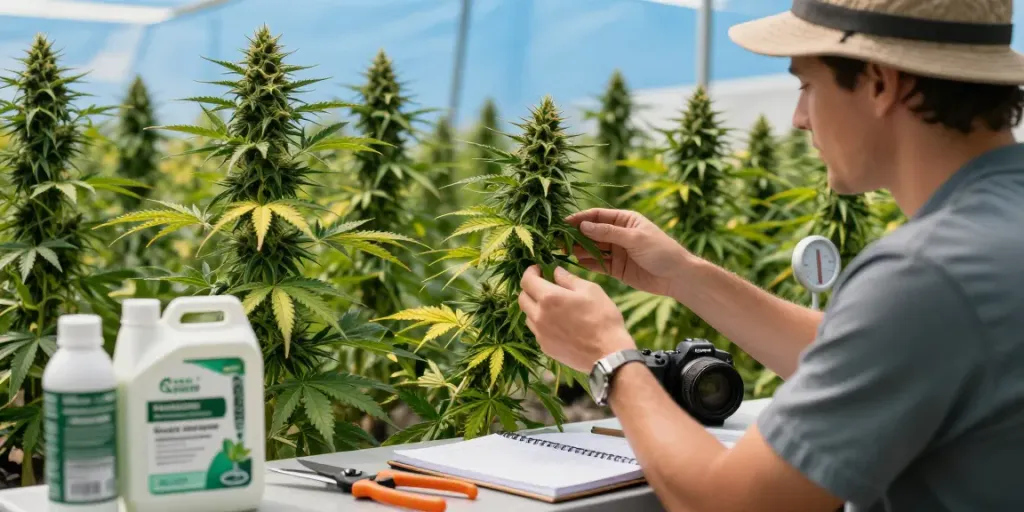
Understanding Triploid Seeds in Cannabis Cultivation
As the cannabis industry continues to evolve, growers are constantly on the lookout for innovations that enhance their yields and the quality of their product. One such advancement is the emergence of triploid seeds. This unique type of cannabis seed, characterized by its three sets of chromosomes, offers several benefits that set it apart from traditional diploid seeds. In this article, we will delve deep into the nature of triploid seeds, exploring their genetic foundations, advantages, best practices for cultivation, and how they compare to other cannabis seed types.
What Are Triploid Seeds?
Triploid seeds are cannabis seeds that contain three complete sets of chromosomes, which distinguishes them from the more common diploid seeds that possess only two. The genetic structure of triploid seeds allows for unique traits and characteristics that can significantly impact growth and yield. While most cannabis plants are diploid, breeders often create triploid seeds by crossing a tetraploid plant (with four chromosome sets) with a diploid plant. This process results in offspring that inherit three sets of chromosomes, leading to the triploid classification.
Genetic Makeup of Triploid Cannabis
The genetic makeup of triploid cannabis is crucial for understanding its development and characteristics. Unlike diploid plants, which pair their chromosomes evenly during cell division, triploid plants face challenges in chromosome pairing due to the odd number of sets. This can lead to reduced fertility, making viable seed formation less likely after exposure to pollen. However, it is essential to note that triploid seeds should not be viewed as completely sterile; their fertility can vary based on the parental genetics and environmental conditions.
How Triploid Seeds Differ from Feminized and Autoflower Seeds
When evaluating cannabis seed types, it's important to understand the distinctions between triploid seeds and other popular varieties like feminized and autoflowering seeds. Feminized seeds are bred to produce only female plants, which are desirable for flower production, while autoflowering seeds transition from the vegetative to flowering stage based on age rather than light cycles. Triploid seeds, on the other hand, emphasize their unique chromosome structure, which can lead to increased potency and yield but may also come with challenges in fertility management.
The Advantages of Growing Triploid Cannabis
High-Yield Potential and THC Boost
One of the most significant advantages of growing triploid cannabis is its potential for higher yields. Research has shown that triploid plants can produce significantly more flowers compared to their diploid counterparts, potentially increasing yield by 30-100%. Additionally, triploid strains often exhibit elevated levels of THC and terpenes, enhancing the potency and flavor profile of the final product. This makes triploid seeds an attractive option for both commercial growers and home cultivators seeking to maximize their returns.
Pest and Disease Resistance
Another compelling reason for growers to consider triploid cannabis is its inherent resistance to pests and diseases. Due to the genetic makeup of triploid plants, they often display greater resilience against common cannabis threats. This is particularly beneficial for cultivators looking to minimize the use of pesticides and maintain organic practices. By investing in triploid seeds, growers can produce healthier plants while also contributing to environmentally friendly cultivation methods.
Faster Flowering Times Compared to Other Varieties
Triploid cannabis seeds are known to offer faster flowering times compared to both feminized and autoflowering varieties. This efficiency in the cultivation cycle allows growers to achieve quicker turnaround times and increases the number of harvests per year. This advantage can be especially beneficial for commercial operations that rely on maximizing production schedules while minimizing operational costs.
Best Practices for Cultivating Triploid Seeds
Optimal Soil and Nutrient Management
To get the most out of triploid seeds, growers should pay careful attention to their soil and nutrient management practices. Triploid plants thrive in well-draining soil enriched with organic matter and essential nutrients. Utilizing a balanced nutrient regimen that supports both vegetative and flowering stages is vital for promoting robust growth and maximizing yield. Regular soil testing can help identify nutrient deficiencies and guide amendments.
Understanding Growth Conditions for Maximum Yield
Creating the right growth conditions is paramount when cultivating triploid cannabis. These plants often require a stable environment with controlled temperature and humidity levels. Additionally, providing adequate light exposure is critical; triploid plants typically respond well to full-spectrum light sources that mimic natural sunlight. Ensuring optimal growth conditions will ultimately lead to healthier plants and a more productive harvest.
Techniques for Managing Plant Health
Maintaining plant health is crucial for successful triploid cannabis cultivation. Implementing integrated pest management (IPM) strategies can help combat potential pest issues while promoting plant resilience. Regularly inspecting plants for signs of stress or disease, along with promptly addressing any concerns, will enhance overall health and yield quality. Techniques such as training and pruning can also encourage better airflow and light penetration, further optimizing growth.
Comparative Analysis: Triploid vs. Other Cannabis Seed Types
Triploid vs. Feminized Seeds: Key Differences
While both triploid and feminized seeds hold their unique advantages in cannabis cultivation, they serve different purposes. Feminized seeds are primarily valued for their ability to produce female plants only, ensuring a higher yield of usable flowers. In contrast, triploid seeds offer the potential for increased potency and yield due to their genetic makeup. Growers should evaluate their specific goals and needs when deciding between these seed types.
Triploid vs. Autoflowering Seeds: Yield and Characteristics
Triploid seeds and autoflowering seeds also differ significantly in their growth characteristics. Autoflowering seeds transition to the flowering stage based on age rather than light cycles, allowing for quicker, more flexible cultivation. However, triploid seeds can offer higher yields and more potent flowers, making them preferable for growers focused on maximizing their product. Understanding these differences will help cultivators choose the right type for their cultivation goals.
Choosing the Right Seed for Your Needs
Ultimately, the decision of which seed type to grow should align with the cultivator's specific objectives. For those seeking speed and adaptability, autoflowering seeds may be the right choice. Conversely, if the goal is to maximize yield and potency, triploid seeds present a compelling option. Analyzing the specific benefits and challenges of each type will empower growers to make informed decisions tailored to their individual needs.
Frequently Asked Questions about Triploid Seeds
Are triploid seeds worth it?
Many growers find that triploid seeds are worth the investment due to their potential for higher yields and enhanced potency. However, careful management is crucial to navigate the challenges associated with their reduced fertility.
Where can I buy triploid seeds?
Triploid seeds can be purchased from various reputable seed banks and cultivation suppliers. It's essential to choose a trusted source that provides detailed information about the genetics and breeding techniques used.
What is a triploid seed?
A triploid seed is a cannabis seed that possesses three complete sets of chromosomes, leading to unique growth traits, including improved yields and higher potency.
How to make a triploid plant?
Creating a triploid plant typically involves crossbreeding a tetraploid parent with a diploid parent, resulting in offspring with triploid chromosome sets. Professional breeders utilize advanced techniques to ensure the successful development of triploid seeds.
What are the challenges in cultivating triploid cannabis?
While triploid cannabis offers several benefits, growers may face challenges such as reduced fertility and the need for careful environmental management to achieve optimal growth conditions. Awareness of these challenges allows for more effective cultivation practices.