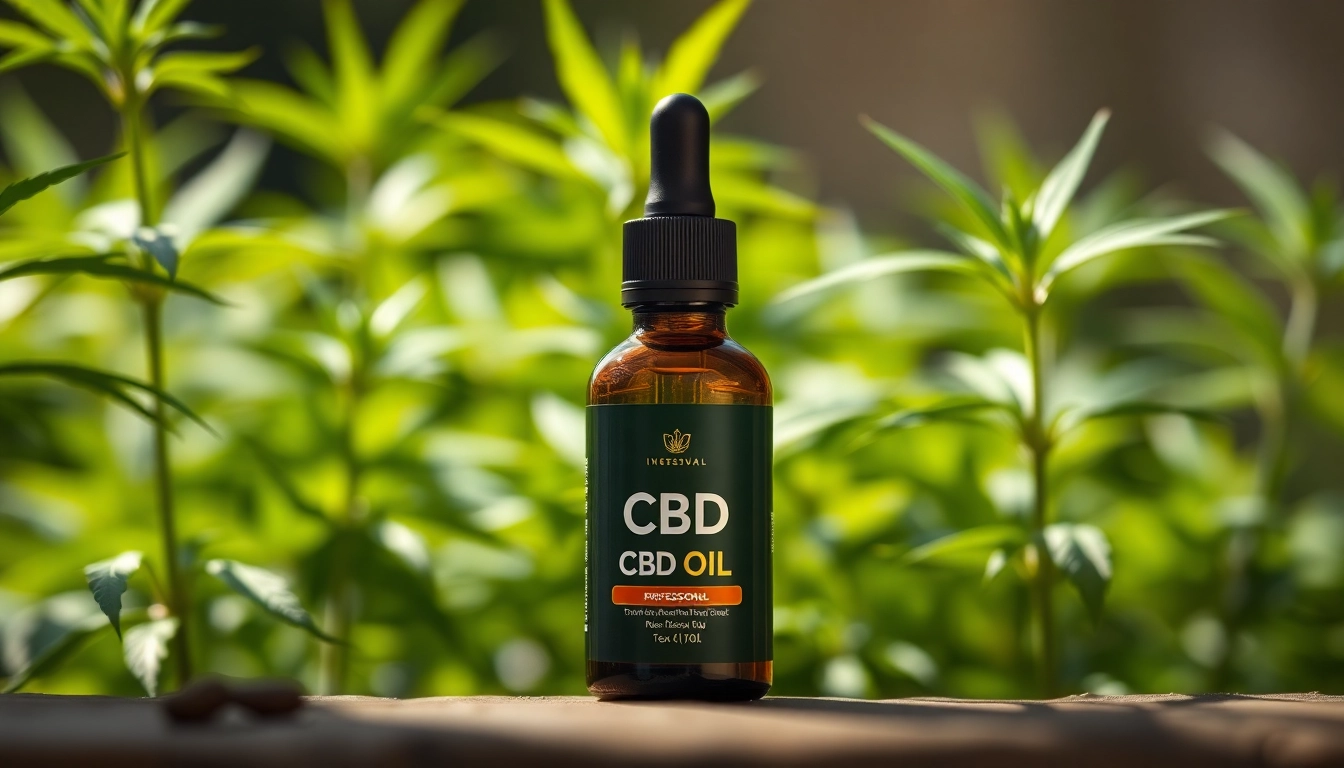
Essentials of CBD Oil: An Overview
Cannabidiol, commonly known as CBD Oil, is a natural compound derived from the cannabis plant. This substance has surged in popularity for its potential therapeutic benefits without the psychoactive effects commonly associated with its cousin, THC (tetrahydrocannabinol). CBD Oil is being explored for a variety of applications ranging from chronic pain relief to anxiety management, and as such, understanding its properties, extraction methods, and legal status is vital for consumers and healthcare professionals alike.
What is CBD Oil?
CBD Oil is an oil that contains concentrations of CBD, a chemical compound derived from the hemp plant. Unlike THC, CBD does not lead to intoxication or a “high.” It is becoming increasingly popular due to its potential health benefits and is widely incorporated in wellness products. CBD interacts with the cannabinoid receptors in the body’s endocannabinoid system, which may contribute to its various therapeutic effects. Its distinct composition and potential benefits have sparked significant interest, combining the realms of natural health and modern science.
How is CBD Oil Extracted?
The extraction of CBD Oil can occur through various methods, each affecting the quality, potency, and purity of the final product. The most common extraction methods include:
- CO2 Extraction: This method uses carbon dioxide at high pressure to extract cannabinoids and terpenes from the hemp plant, resulting in a pure and high-quality oil.
- Solvent Extraction: In this method, solvents such as ethanol or butane are used to dissolve the plant compounds. While effective, this method may leave behind traces of solvent in the final product.
- Steam Distillation: By using steam to extract essential oil from hemp flowers, this method can produce a flavorful and aromatic extract but may not be as concentrated as CO2 extraction.
Each extraction method has its pros and cons, and consumers should be informed about the extraction process, as it can affect the quality and safety of the CBD Oil.
The Legal Landscape Surrounding CBD Oil
The legality of CBD Oil in various regions can be complex and often depends on its source—hemp or marijuana. In many parts of the world, CBD derived from hemp (which contains less than 0.3% THC) is legal, whereas products derived from marijuana may face stricter regulations. In the United States, for instance, the 2018 Farm Bill legalized hemp-derived CBD Oil, though individual states may impose their own laws and regulations. It’s essential for users to familiarize themselves with the legal status of CBD in their respective jurisdictions, ensuring compliance while purchasing and using CBD products.
Potential Benefits of CBD Oil
Health Benefits: A Comprehensive Look
Numerous studies and anecdotal reports suggest that CBD Oil may provide several health benefits. Among its most touted effects include:
- Anti-inflammatory Properties: Research indicates that CBD may reduce inflammation by affecting the body’s inflammatory response.
- Neuroprotective Effects: Preliminary studies suggest that CBD may help protect neurons, potentially benefitting conditions like multiple sclerosis.
- Antioxidant Qualities: CBD may act as an antioxidant, helping to reduce oxidative stress in the body.
While these benefits are promising, it is crucial to continue research to fully understand the extent and mechanisms of these potential effects.
CBD Oil and Mental Well-being
In recent years, there has been growing interest in the effects of CBD Oil on mental health conditions such as anxiety, depression, and post-traumatic stress disorder (PTSD). Studies have shown that CBD may help mitigate anxiety symptoms by interacting with serotonin receptors in the brain, which are known to play a role in mood regulation. Furthermore, CBD’s potential ability to promote better sleep by addressing insomnia and other sleep disorders further contributes to its appeal for those struggling with mental health issues.
CBD Oil for Pain Management
CBD Oil has gained recognition as a natural alternative for pain relief. By interacting with the body’s endocannabinoid system, CBD may help manage pain from various sources, including arthritis, fibromyalgia, and other chronic pain conditions. Clinical trials suggest that CBD may provide analgesic effects, making it a viable option for individuals looking to manage pain without resorting to conventional pharmaceuticals, which often carry risks of dependency and side effects.
How to Use CBD Oil Effectively
Dosage Recommendations
Finding the right dosage of CBD Oil is not a one-size-fits-all scenario; individual responses can vary significantly. Factors such as body weight, metabolism, the concentration of the CBD product, and the specific condition being addressed must be considered. As a general guideline, starting with a low dose (e.g., 5-10 mg per day) and gradually increasing can help individuals find an effective dosage that suits their needs while minimizing potential side effects.
Ways to Incorporate CBD Oil into Your Routine
CBD Oil can be integrated into a daily routine in several ways, enabling users to conveniently incorporate its potential benefits. Common approaches include:
- Direct Consumption: Many users prefer taking CBD Oil drops directly under the tongue to allow for rapid absorption.
- Cooking and Baking: CBD Oil can be used as a cooking oil or added to dishes, allowing for an easy incorporation into meals.
- Topical Application: For localized pain, CBD Oil can be mixed into creams or balms, providing relief directly to the affected area.
Experimenting with different methods can help individuals find the most suitable way to enjoy the benefits of CBD Oil.
Popular Consumption Methods
The consumption methods for CBD Oil vary widely, making it accessible to a broad audience. Popular forms include:
- CBD Tinctures: Concentrated extracts that allow for precise dosage and rapid absorption.
- Edibles: Gummies or snacks infused with CBD, providing a fun and tasty way to consume CBD.
- Vape Oil: For those who prefer inhalation, vaping CBD Oil can provide immediate effects.
Choosing the right method depends on personal preferences, lifestyle, and desired effects.
Safety Considerations and Side Effects
Common Side Effects of CBD Oil
While CBD Oil is generally considered safe, it is not without potential side effects. Some users may experience:
- Drowsiness
- Dizziness
- Dry mouth
- Changes in appetite
- Nausea
These side effects are typically mild and may diminish as the body adjusts to the compound. However, it is essential for individuals to monitor their responses and consult a healthcare professional if any adverse reactions occur.
Is CBD Oil Safe for Everyone?
CBD Oil is often well-tolerated, but it is essential to consider specific populations, including pregnant or breastfeeding women, young children, and individuals with certain underlying health conditions. Consulting with a healthcare provider before initiating CBD use is crucial for those who are pregnant, nursing, or taking other medications, as interactions may arise.
Interactions with Other Medications
CBD Oil can interact with various medications, particularly those metabolized by the liver. It is advisable for users to discuss their current medications with a healthcare provider before starting CBD to avoid any potential adverse effects. Being transparent about all supplements and medications can help ensure safe supplementation.
The Future of CBD Oil: Trends and Innovations
Emerging Research on CBD Oil Benefits
Research into CBD Oil is expanding, with studies exploring its efficacy in treating conditions such as epilepsy, anxiety, and chronic pain. As the scientific community delves deeper into understanding CBD’s mechanisms, further insights into its medical applications will likely emerge, paving the way for new therapeutic options and product innovations.
Market Trends in CBD Oil Consumption
The CBD market has seen explosive growth, particularly as consumer awareness of its benefits rises. Trends indicate a shift towards more natural and organic products, as well as a growing demand for transparency in sourcing and manufacturing processes. Consumers are increasingly seeking high-quality, lab-tested products with clear labeling of ingredients and cannabinoid content, which aligns with the broader shift toward health and wellness.
Innovations in CBD Oil Products
Innovations in product formulation are driving the future of CBD Oil, with brands exploring diverse offerings, such as nanoemulsion technology for better bioavailability, beverages infused with CBD, and specialized formulations targeting specific health concerns. As regulations evolve and public interest continues to grow, the CBD product landscape is rapidly diversifying, promising exciting developments for consumers.
About the Author